

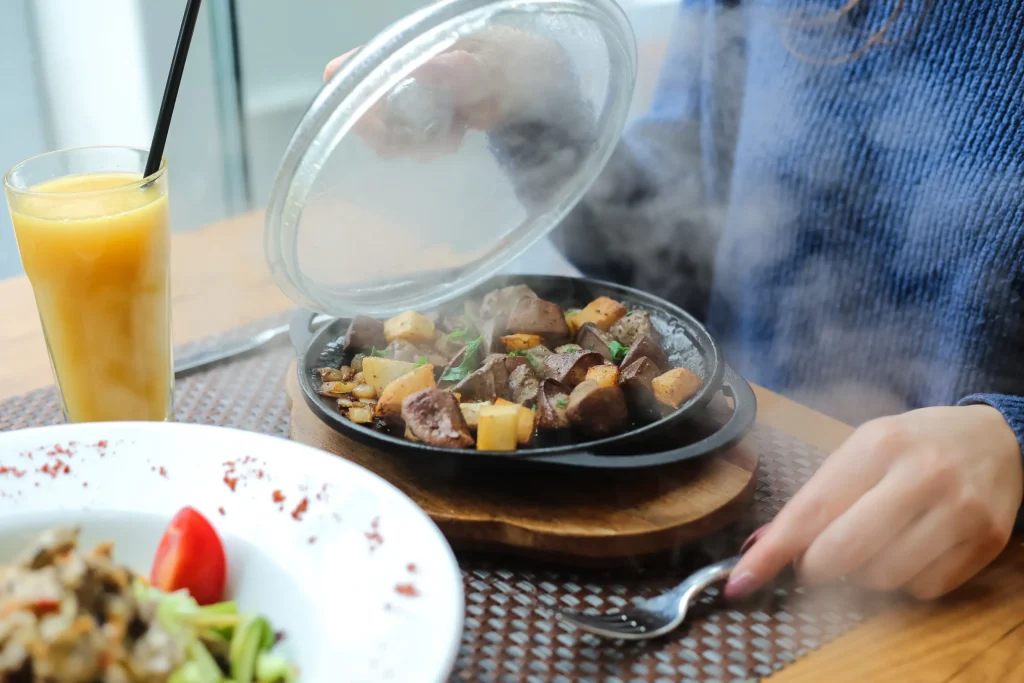

Importance of serving hot food
Life aboard a cargo ship is physically demanding and mentally taxing. Crew members work in
challenging environments, often enduring long hours, harsh weather conditions, and
physically strenuous tasks. Among these conditions, the quality and temperature of the food
served onboard are not mere comforts—they are essential elements of crew welfare, health,
and morale. Ensuring that food is served hot plays a critical role in maintaining both the
physical well-being and the mental resilience.
Health and Safety Considerations
Serving hot food is a basic food safety measure. Perishable items such as meat, poultry, seafood, and cooked vegetables must be kept at temperatures above 63°C (145°F) to prevent bacterial growth.
Nutritional Value and Digestive Health
Hot meals are generally easier to digest and often retain better flavour and texture. Warm food stimulates the digestive system and helps in the effective absorption of nutrients. Cold, stale, or improperly reheated meals can lead to gastrointestinal discomfort.
Crew Morale and Mental Well-being
Hot, well-prepared meals provide emotional relief and a moment of pleasure in an otherwise demanding routine. Consistently serving hot food shows care and respect for the crew, boosting morale and reinforcing the feeling of being valued and looked after.
Best Practices to Maintain Hot Food On-board
To ensure food is served hot, the galley team should adopt several best practices:
• Timely serving: Cook closer to meal timings.
• Use hot holding equipment: Chafing dishes, casseroles, Bain Marie, or thermal boxes.
• Check temperatures: Regularly check the temperature of hot food to ensure it is outside the danger zone.
• Meal scheduling: Mealtimes should be coordinated with watch schedules to avoid delays that can cause food to go cold.
• Crew feedback: Regularly checking with the crew on food quality, including temperature, helps in identifying and correcting issues promptly.
Conclusion
Keeping food hot until serving is a fundamental aspect of ensuring health, safety, and well-being. It is not simply about culinary standards—it is a critical element of life at sea that impacts morale, efficiency, and safety. By prioritizing this seemingly small detail, we demonstrate a broader commitment to the welfare of our crew members, fostering a healthier and more productive working environment.
This broadcast is an outcome of the recent Food Safety & Hygiene audits conducted on our vessels. Unfortunately, it has been observed that most vessels serve food at room temperature. In some cases, this is due to the absence of food-warming equipment, while in many others, it is simply because it is more convenient for the galley team. Kindly initiate appropriate corrective measures as deemed necessary.
Serving hot food is a basic food safety measure. Perishable items such as meat, poultry, seafood, and cooked vegetables must be kept at temperatures above 63°C (145°F) to prevent bacterial growth.
Nutritional Value and Digestive Health
Hot meals are generally easier to digest and often retain better flavour and texture. Warm food stimulates the digestive system and helps in the effective absorption of nutrients. Cold, stale, or improperly reheated meals can lead to gastrointestinal discomfort.
Crew Morale and Mental Well-being
Hot, well-prepared meals provide emotional relief and a moment of pleasure in an otherwise demanding routine. Consistently serving hot food shows care and respect for the crew, boosting morale and reinforcing the feeling of being valued and looked after.
Best Practices to Maintain Hot Food On-board
To ensure food is served hot, the galley team should adopt several best practices:
• Timely serving: Cook closer to meal timings.
• Use hot holding equipment: Chafing dishes, casseroles, Bain Marie, or thermal boxes.
• Check temperatures: Regularly check the temperature of hot food to ensure it is outside the danger zone.
• Meal scheduling: Mealtimes should be coordinated with watch schedules to avoid delays that can cause food to go cold.
• Crew feedback: Regularly checking with the crew on food quality, including temperature, helps in identifying and correcting issues promptly.
Conclusion
Keeping food hot until serving is a fundamental aspect of ensuring health, safety, and well-being. It is not simply about culinary standards—it is a critical element of life at sea that impacts morale, efficiency, and safety. By prioritizing this seemingly small detail, we demonstrate a broader commitment to the welfare of our crew members, fostering a healthier and more productive working environment.
This broadcast is an outcome of the recent Food Safety & Hygiene audits conducted on our vessels. Unfortunately, it has been observed that most vessels serve food at room temperature. In some cases, this is due to the absence of food-warming equipment, while in many others, it is simply because it is more convenient for the galley team. Kindly initiate appropriate corrective measures as deemed necessary.