

The Science Behind Food Flavours
Food is more than just fuel for physical health — it plays an important role in morale,
comfort, and overall wellbeing. Ever wondered why freshly baked bread smells irresistible,
or why food tastes dull when you have a cold? The answer lies in the science of flavour, which
is a combination of four senses working together:
Taste – Smell – Texture – Appearance
Taste – Smell – Texture – Appearance
This is why better cooking techniques, proper food handling and good presentation are essential part of customer satisfaction.
Tips to Enhance Flavour & Taste
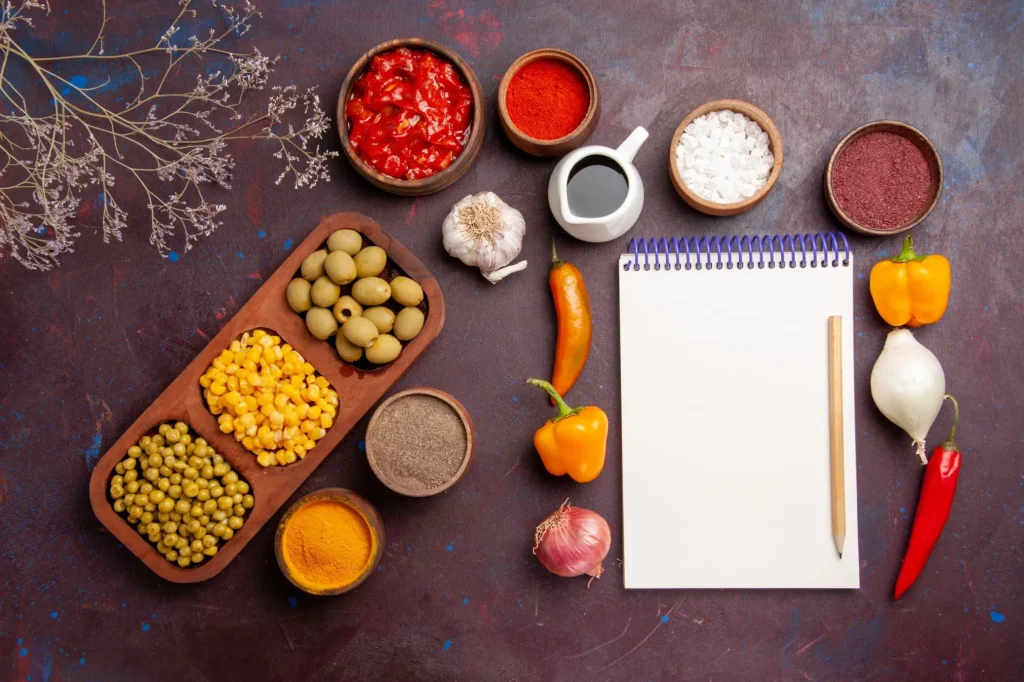
1. Use Natural Flavour Enhancers: Onions, garlic, ginger, tomatoes, herbs, and spices build flavour naturally and help reduce salt usage.
2. Control Salt Wisely: Season gradually during cooking rather than all at once to avoid over-salting.
3. Aroma Matters Most: Keep galley ventilation clean and store food covered to preserve natural aromas and prevent odour mixing.
4. Brown for Better Taste: Light browning during roasting, grilling, or pan-searing enhances flavour. Avoid overcrowding pans.
5. Maintain Freshness: Cut vegetables close to cooking time and store ingredients correctly to retain flavour and nutrients.
6. Balance the Flavours: Balance sweet, sour, salty, bitter, and savoury. A touch of lemon or vinegar can lift dishes without extra salt.
7. Mind the Texture: Combine soft and crunchy textures to improve eating quality without adding extra oil.
8. Cook at the Right Temperature: Pre-heat pans and ovens to ensure even cooking and prevent bland or burnt food.
9. Avoid Overcooking: Overcooking reduces taste, texture, and nutrition. Cook vegetables just tender and meats correctly.
10. Keep Equipment Clean: Clean utensils and cookware prevent off-flavours and support food hygiene and MLC standards.
Tips to Enhance Flavour & Taste
1. Use Natural Flavour Enhancers: Onions, garlic, ginger, tomatoes, herbs, and spices build flavour naturally and help reduce salt usage.
2. Control Salt Wisely: Season gradually during cooking rather than all at once to avoid over-salting.
3. Aroma Matters Most: Keep galley ventilation clean and store food covered to preserve natural aromas and prevent odour mixing.
4. Brown for Better Taste: Light browning during roasting, grilling, or pan-searing enhances flavour. Avoid overcrowding pans.
5. Maintain Freshness: Cut vegetables close to cooking time and store ingredients correctly to retain flavour and nutrients.
6. Balance the Flavours: Balance sweet, sour, salty, bitter, and savoury. A touch of lemon or vinegar can lift dishes without extra salt.
7. Mind the Texture: Combine soft and crunchy textures to improve eating quality without adding extra oil.
8. Cook at the Right Temperature: Pre-heat pans and ovens to ensure even cooking and prevent bland or burnt food.
9. Avoid Overcooking: Overcooking reduces taste, texture, and nutrition. Cook vegetables just tender and meats correctly.
10. Keep Equipment Clean: Clean utensils and cookware prevent off-flavours and support food hygiene and MLC standards.